
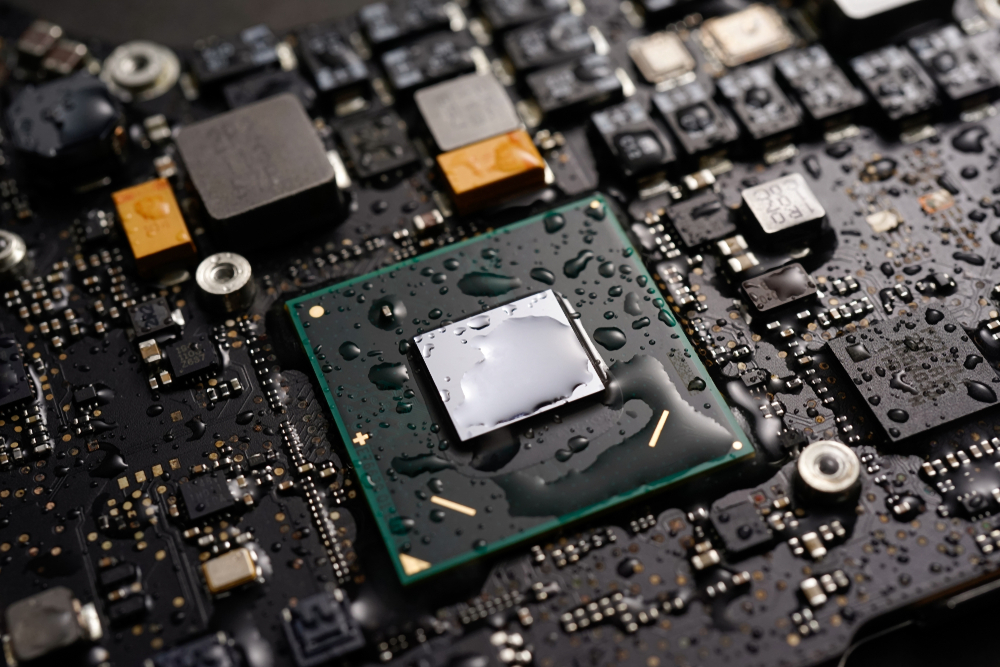
As the world becomes increasingly digitized, it’s easy to overlook the critical role of analog circuit design in modern electronics. While digital circuits handle data manipulation and storage, analog circuits are responsible for translating the real world into a digital signal that can be processed by the computer. In this article, we’ll explore the importance of analog circuit design and how it impacts modern electronics.
What is Analog Circuit Design?
Analog circuit design refers to the process of designing electronic circuits that work with continuously varying signals. These circuits take physical inputs like sound, light, temperature, and convert them into an electrical signal that can be processed by a computer. Unlike digital circuits, which operate on discrete signals, analog circuits operate on continuous signals, which can be affected by noise, distortion, and other external factors.
Importance of Analog Circuit Design
Analog circuits are essential in many applications, including power management, wireless communication, sensors, and medical equipment. For instance, power management requires efficient voltage regulation, and analog circuits are responsible for converting high-voltage AC signals into low-voltage DC signals. Wireless communication and sensor applications rely on analog circuits for signal amplification and filtering, while medical equipment needs precise measurement and signal processing.
Analog circuit design is particularly critical in high-frequency applications where digital circuits may not be suitable. The high-frequency nature of signals in these applications means that the analog circuits need to be designed with high precision to avoid distortion, signal loss, or other issues that could impact signal quality.
Another area where analog circuit design is critical is in the development of IoT (Internet of Things) devices. IoT devices rely on sensors to capture real-world data, and analog circuits are responsible for converting this data into digital signals that can be transmitted and processed by other devices. Analog circuits play a critical role in ensuring that the data captured by sensors is accurate, reliable, and can be used to generate meaningful insights.
Limitations of Analog Circuit Design
While analog circuit design has many advantages, it also has some limitations. One significant challenge of analog circuit design is the susceptibility to noise and interference. Unlike digital circuits, which are immune to noise and interference, analog circuits are sensitive to these factors, which can impact signal quality and accuracy.
Analog circuits are also prone to drift and aging, which can lead to performance degradation over time. This can be challenging for high-precision applications that require a stable and accurate signal over an extended period.
The Future of Analog Circuit Design
Analog circuit design has been around for decades, and it’s not going anywhere anytime soon. The growing demand for IoT devices, wireless communication, and other high-frequency applications is driving the need for more advanced and precise analog circuits. In response, engineers and researchers are developing new analog design techniques that incorporate AI (Artificial Intelligence) and ML (Machine Learning) to enhance circuit performance.
The integration of AI and ML in analog circuit design enables circuit optimization, improves signal processing, and helps in reducing noise and interference. This approach can lead to better performance, improved efficiency, and faster time-to-market for products that rely on analog circuits.
Conclusion
Analog circuit design plays a crucial role in modern electronics, and its importance is only set to grow in the future. From IoT devices to medical equipment and wireless communication, analog circuits are responsible for converting real-world data into digital signals that can be processed and analyzed by computers. While analog circuit design has some limitations, the ongoing developments in AI and ML offer exciting possibilities for improving analog circuit design and unlocking new applications for this critical technology.